
Freeze Dried Coffee: What It Is and How It's Made
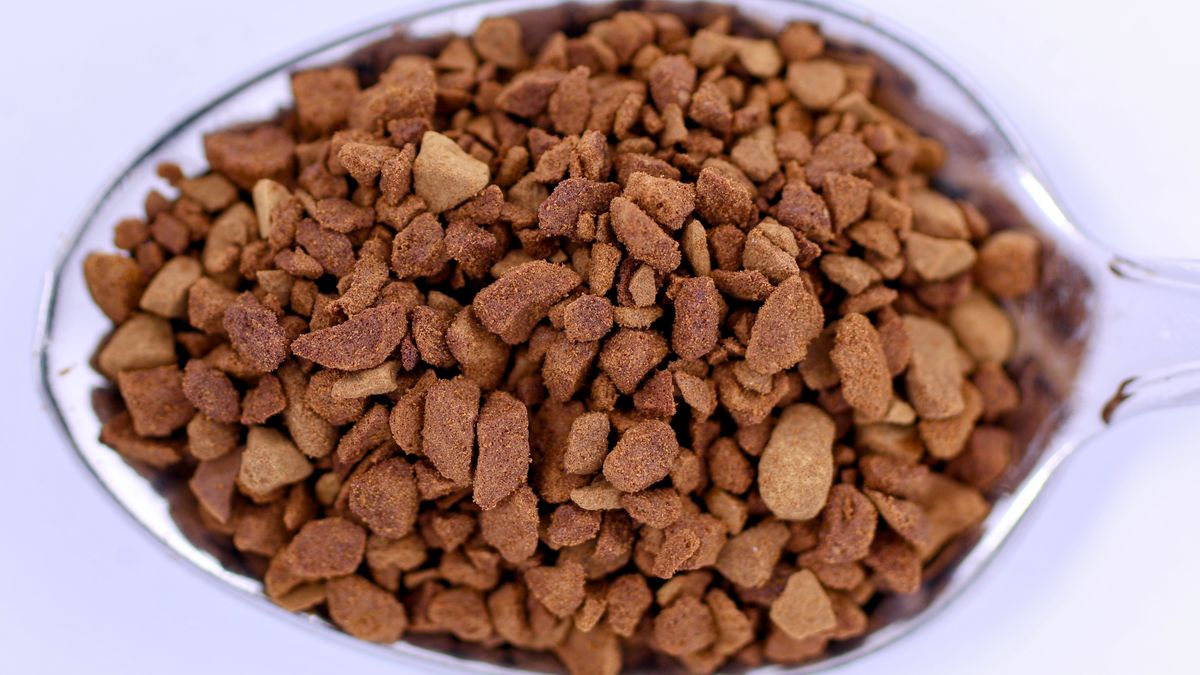
Photo by Marek Ruczaj on Pexels
Freeze dried coffee is instant coffee. It is the same granules you stir into a mug of hot water, and it is the best kind you can buy.
All instant coffee begins as real, brewed coffee that has had the water taken out, so it stores in a jar and dissolves the moment hot water hits it. What makes freeze dried different is how that water is removed. It is done gently, by freezing, which keeps far more of the coffee's flavour and smell. That is why a good freeze dried coffee tastes like a proper cup, where cheaper instant often tastes thin and a bit bitter.
The rest of this guide covers how it is made, why it beats the cheaper kind, and when it is the right choice for a business. If you run an office, it is almost certainly what your instant coffee machine would brew, so it is worth knowing what you are getting.
How freeze dried coffee is made
Turning a pot of coffee into granules in a jar takes four steps. None of them is complicated, but it helps to see them in order.
- Brew. Roasted beans are brewed into coffee, much stronger than anything you would drink. Think of a thick, concentrated coffee syrup.
- Freeze. That strong coffee is frozen solid, often as cold as minus 40 degrees, until it is a slab of coffee ice.
- Break. The frozen slab is broken into small granules. This sets the size of the bits you see in the jar.
- Dry. The granules go into a sealed chamber with the air drawn out. In that vacuum the ice turns straight into vapour and leaves, without ever melting into water first. Dry coffee granules are what remain.

Why it tastes better than ordinary instant
Coffee is delicate, and heat is what strips out the flavours and smells that make it taste good. Because freeze drying takes the water out in the cold, by freezing rather than heating, the coffee is never cooked, and that flavour stays in the granule. The same gentle method is how medicines and fresh fruit are dried without being ruined.
The cheaper way of making instant is called spray drying. Strong coffee is sprayed into a tower of hot air, the water vanishes in seconds, and the coffee falls out as a fine powder. It is quick and cheap to make in bulk, but the heat scorches off a lot of the flavour. That flat, slightly burnt taste people picture when they hear the word instant comes from this method.
You can usually tell the two apart in the jar. Freeze dried comes as small, solid granules, a bit like chips of dark glass. The cheaper sort is a fine, dusty powder. Freeze drying costs a little more and takes longer, and in return you get a cup that actually tastes of coffee.

Where it fits in a business
For a business, freeze dried coffee is one of the easiest good decisions you can make. The cheap reputation belongs to the dusty powder, not to a proper freeze dried coffee, and the good versions have come a long way. Instant is still one of the most popular ways the UK drinks its coffee, as the British Coffee Association records.
It is built for volume. An office, a workshop, a waiting room, anywhere a lot of people want a hot drink without any fuss. There is nothing to grind and nothing to go wrong, and the cost per cup is low. The freeze dried coffee we supply is 100% Arabica, the same bean used in proper ground coffee, which is not what anyone expects from a jar. Put through a commercial instant coffee machine, it pours a hot, consistent drink every time.
There is one place it does not fit. If coffee is the thing you sell, a cafe making flat whites across the counter all day, you want fresh beans and an espresso machine, because the customer is paying for the coffee itself. The simple test is whether you are serving coffee to people or selling it to them. For serving it to a busy office or workplace, freeze dried is hard to beat.

Getting a good cup from it
Two simple things decide whether a cup of freeze dried coffee is good or flat. The water and the amount.
Use water that is hot but not boiling. Coffee does not actually want boiling water, and pouring it straight off the boil scorches the granules and turns the taste bitter, so let the kettle settle for a few seconds first. For strength, start with one or two teaspoons per mug and adjust from there. It dissolves completely, so there is nothing gritty left at the bottom.
For a business, the coffee you choose is what decides whether people drink it or quietly slip out to the shop down the road. We supply our own freeze dried coffee by the box, with no minimum order and next day delivery, so a site never runs dry. Good beans make good ground coffee, and good beans make good freeze dried too. The quality is in the granule.
Freeze dried coffee earns its place. Chosen well and made with a little care, it is fast, reliable and genuinely good. For most workplaces, that is the whole job done.
Common questions
What is freeze dried coffee?
How is freeze dried coffee made?
Is freeze dried coffee the same as instant coffee?
How much freeze dried coffee do you use per cup?
Can you use freeze dried coffee in a commercial machine?
When was freeze dried coffee invented?
Family run since 2009. Nearly two decades supplying commercial coffee machines, our own range of coffee and ongoing technical service to businesses across the UK.
Thinking about a commercial coffee machine for your business?
We can talk through what fits before you spend anything. Family run since 2009. Free written quote, same day reply.