
Commercial Coffee Grinder Machines: Do You Need One?
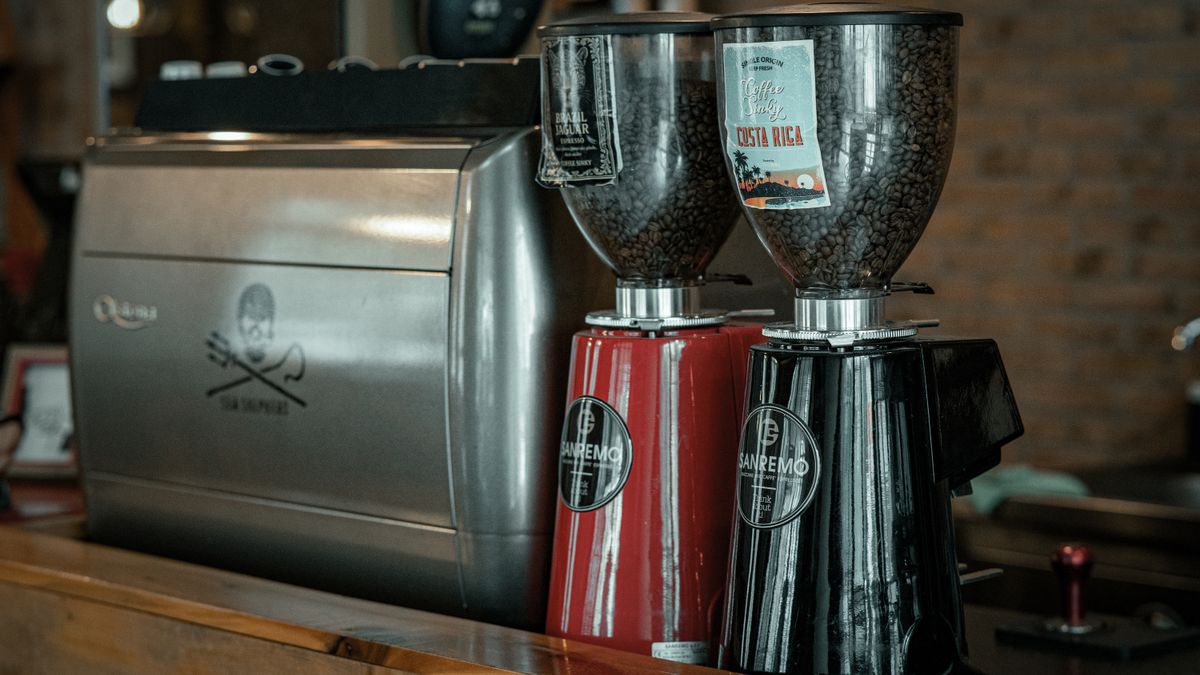
Photo by Ubeydulah Besir Koroglu on Pexels
A coffee grinder does one simple job. It turns whole beans into the grounds that hot water is pushed through to make the drink. A commercial coffee grinder machine is the heavy duty version of the one you might have at home, built to do that same job hundreds of times a day without overheating or wearing out.
Here is the part most people do not expect. The grinder has more say over how your coffee tastes than the machine sat next to it. Two cafes can run the same beans and the same espresso machine, and the one with the better grinder will pour the better cup. The UK drinks around 98 million cups of coffee a day, by the British Coffee Association's count, and on a counter the grind is the part customers never see but always taste.
It is also the part people are most confused about, usually because they are not sure whether they even need one. The honest answer is that plenty of businesses do not, and we will get to exactly who does and who does not. If you are still working out the machine side first, our guide to commercial coffee machines is the place to start.
Why the grinder decides how the coffee tastes
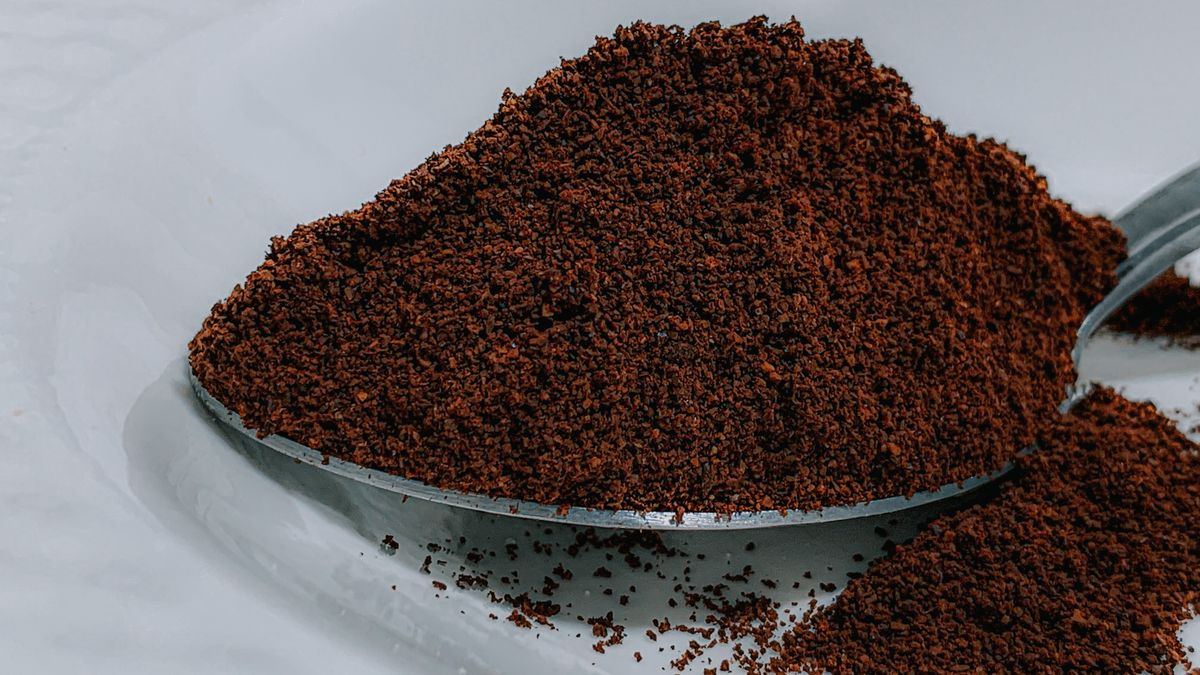
Ground coffee goes stale fast. The moment a bean is ground, the surface opens up to the air and the flavour starts to fade within minutes. That is why a tub of pre ground coffee, however good it started, is always a step behind. Grinding fresh for each drink is the single biggest thing you can do for the cup, and it is the whole reason a grinder sits next to the machine in the first place.
The other half of the job is being consistent. For espresso, the grounds have to be an even size, so the water flows through them at the right speed. Too coarse and the water rushes through and the coffee comes out weak and sour. Too fine and it crawls through and turns bitter. A good grinder produces the same even grind every time, which is what makes every cup taste the same. The Specialty Coffee Association treats grind consistency as one of the foundations of good coffee, and in practice it is where most bad cups are quietly lost.
Do you actually need a separate grinder?
This is the question worth answering before you spend anything, because the answer is often no. Whether you need a separate grinder comes down to the type of coffee machine you are running.
If you have a bean to cup machine, you do not need one. The grinder is already built into the machine, behind the bean hopper, grinding fresh for every drink at the press of a button. That is the whole appeal of a bean to cup machine, and it is why most offices never think about grinders at all.
If you have an instant machine, there is nothing to grind, so the question does not come up. The coffee is already made and dried, and the machine just mixes it with hot water.
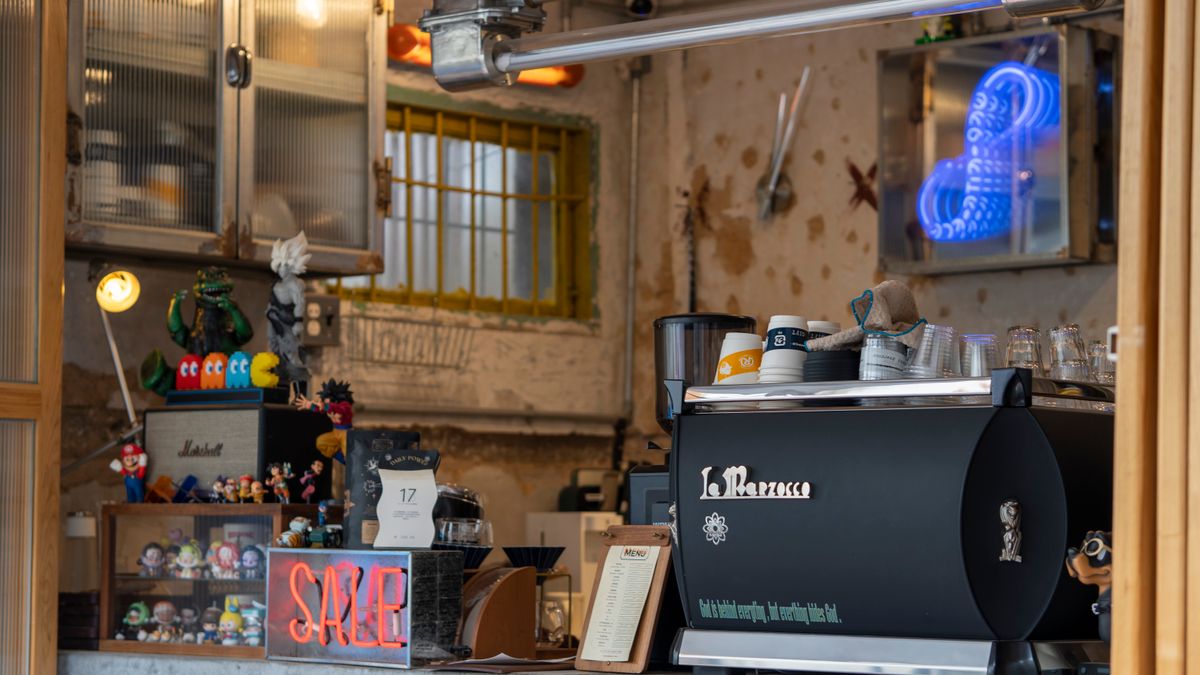
A separate grinder is really for one setup. A traditional espresso machine, the kind you see behind the counter in a coffee shop, has no grinder of its own. The barista grinds fresh, doses it into the handle and pulls the shot. If that is what you are buying, the grinder is not an optional extra. It is half the setup, and you should budget for it as such.
So the short version is this. A cafe or coffee shop with a traditional machine needs a grinder, and it matters a great deal. An office, workshop or anywhere running bean to cup or instant does not, because it is already handled. Do not let anyone sell you a standalone grinder you have no use for.
If you are buying one, what to look for
If you are kitting out a cafe, here is what actually matters, without the jargon.
- Burrs, not blades. A cheap grinder chops the beans with a spinning blade, like a kitchen one, and the grounds come out uneven. A commercial grinder uses burrs, two discs that crush the beans to an even, set size. Every commercial grinder worth having is a burr grinder.
- A hopper that suits your volume. The hopper is the container that holds the beans on top. A busy cafe wants one big enough to get through the morning rush without constant topping up. A quieter site does not need to pay for a huge one.
- Easy to clean. Grinders build up oily coffee residue, and the burrs wear down over time. One that comes apart easily for cleaning pours better coffee and lasts longer. As with the machine itself, cleaning is what keeps it working.
- Burr shape, if you want the detail. You will see grinders sold with flat burrs or conical burrs. Flat burrs grind very evenly and are the usual choice for espresso. Conical burrs run a little cooler and quieter and suit higher volume. For most cafes either pours excellent coffee, so choose on capacity and build quality first and treat the burr shape as a tie breaker, not the deciding factor.
On demand or doser, and how it measures each shot
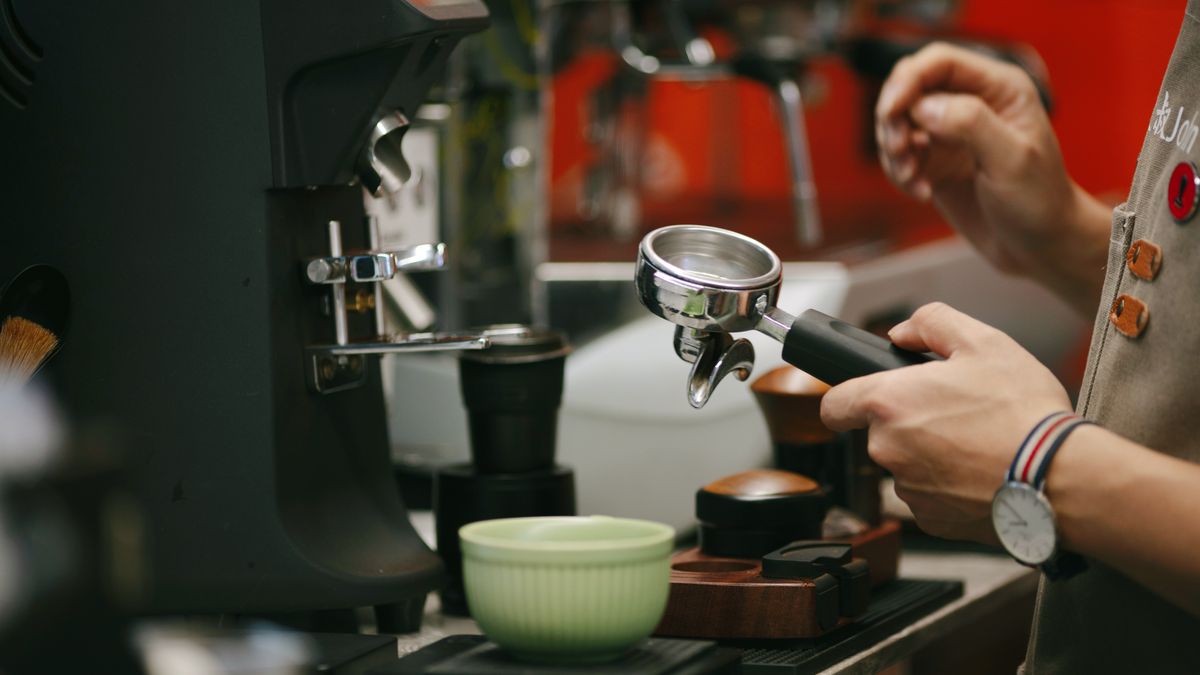
You will see grinders described as on demand or doser, and it is worth knowing which you are buying. An on demand grinder grinds fresh straight into the handle for each shot, so nothing sits around. A doser grinder, the older style, grinds in advance into a small chamber that you pull each dose from, which means grounds can sit and go stale between drinks. For a new cafe setup, on demand is the one to choose.
The other thing that varies is how the grinder measures the dose. Most dose by time, running the burrs for a set number of seconds, which is accurate enough for the vast majority of cafes. The step up is grind by weight, which weighs every dose so each shot is identical. It is a premium upgrade, genuinely worth it for speciality coffee and serious, high volume venues where total consistency is everything, but dosing by time is all most businesses need.
Spend the money where it reaches the cup
One thing is worth saying plainly. Do not put a cheap grinder in front of a good espresso machine. People spend thousands on the machine and then save a couple of hundred on the grinder, and it shows in every cup, because the grinder is doing the work the customer actually tastes.
If the budget is tight, the better trade is usually to spend a little less on the machine and a little more on the grinder, not the other way round. The machine you choose still matters, and our guide to choosing the right beans matters just as much, but the grinder is the piece people most often get wrong by trying to save on it.
If you are putting a cafe setup together and are not sure how the grinder, the machine and the beans fit your space and your volume, that is exactly the sort of thing worth talking through before you buy. We would rather get the pairing right with you up front than have you work it out in the middle of a Monday morning rush.
Common questions
Do you need a separate grinder for a commercial coffee machine?
What is the difference between a blade and a burr grinder?
Does a better grinder really make the coffee taste better?
Can you use one grinder for both espresso and filter coffee?
How often should a commercial coffee grinder be cleaned?
Is an on demand grinder better than a doser grinder?
Do bean to cup machines have a grinder built in?
Family run since 2009. Nearly two decades supplying commercial coffee machines, our own range of coffee and ongoing technical service to businesses across the UK.
Thinking about a commercial coffee machine for your business?
We can talk through what fits before you spend anything. Family run since 2009. Free written quote, same day reply.