
Commercial Bean to Cup Coffee Machines: A Buyer's Guide
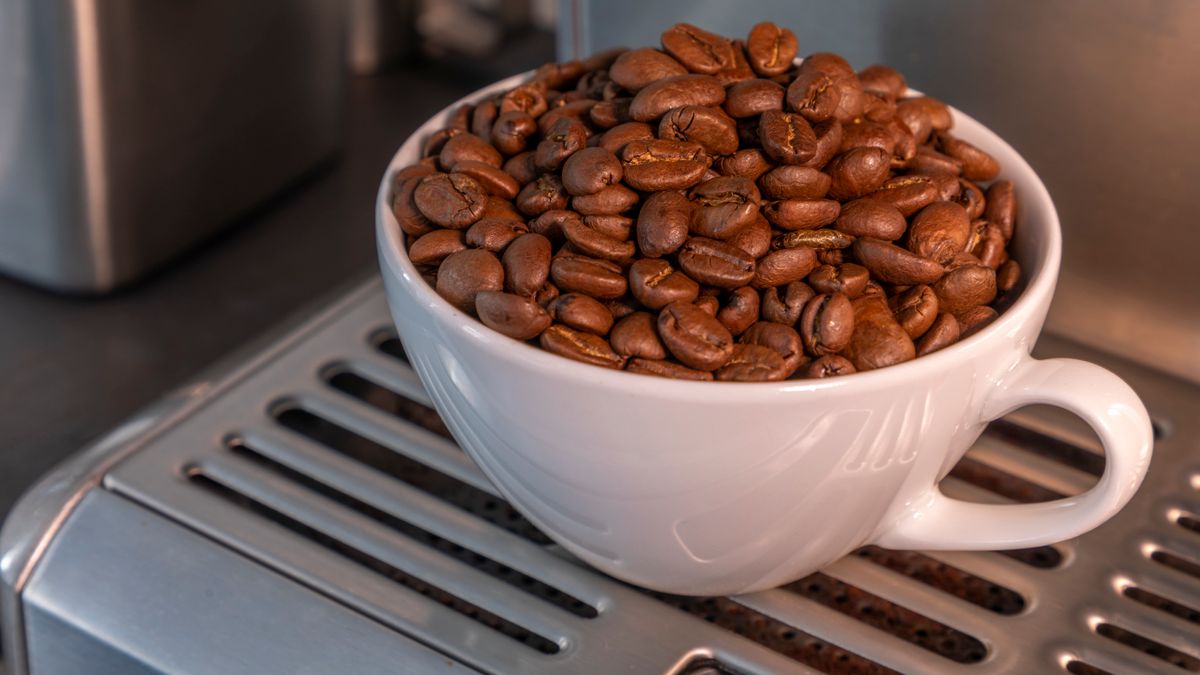
A commercial bean to cup coffee machine creates a barista quality drink automatically at the press of a button. It grinds whole beans fresh for every cup, brews the coffee and adds the milk, so there is no hand grinding, no portafilter and no barista. Whoever is making the coffee presses one button, and around 45 seconds later they have a flat white that would not look out of place on a high street.
That is why bean to cup is the machine most businesses ask for, and why you find them in offices, hotels, gyms, showrooms and convenience stores everywhere. They put consistent, good coffee in the hands of people who have never been trained to make it, and they come in a wide range, from small units that handle 20 cups a day to machines built to pour all day long.
The trick is matching the machine to your business, and that falls out of a handful of questions asked in the right order: where the machine goes and who uses it, how many drinks a day, whether you are selling the coffee or giving it away, and which milk you want. This guide walks through each one in turn, then covers the menu, the routine and what it costs. If you already know bean to cup is right for you, you can see the machines we supply.
How a bean to cup machine works, and what it can make
Behind the button, the machine runs the same steps a barista would, in order, every time. It grinds a fresh dose of beans, packs it down, forces hot water through at around 9 bars of pressure to pull the shot, then textures or mixes the milk if the drink needs it. Because it grinds for each drink rather than in advance, the coffee is fresh in the cup, which is the whole reason to choose bean to cup over instant. The Specialty Coffee Association treats that grind freshness and pressure as the foundations of a good shot.
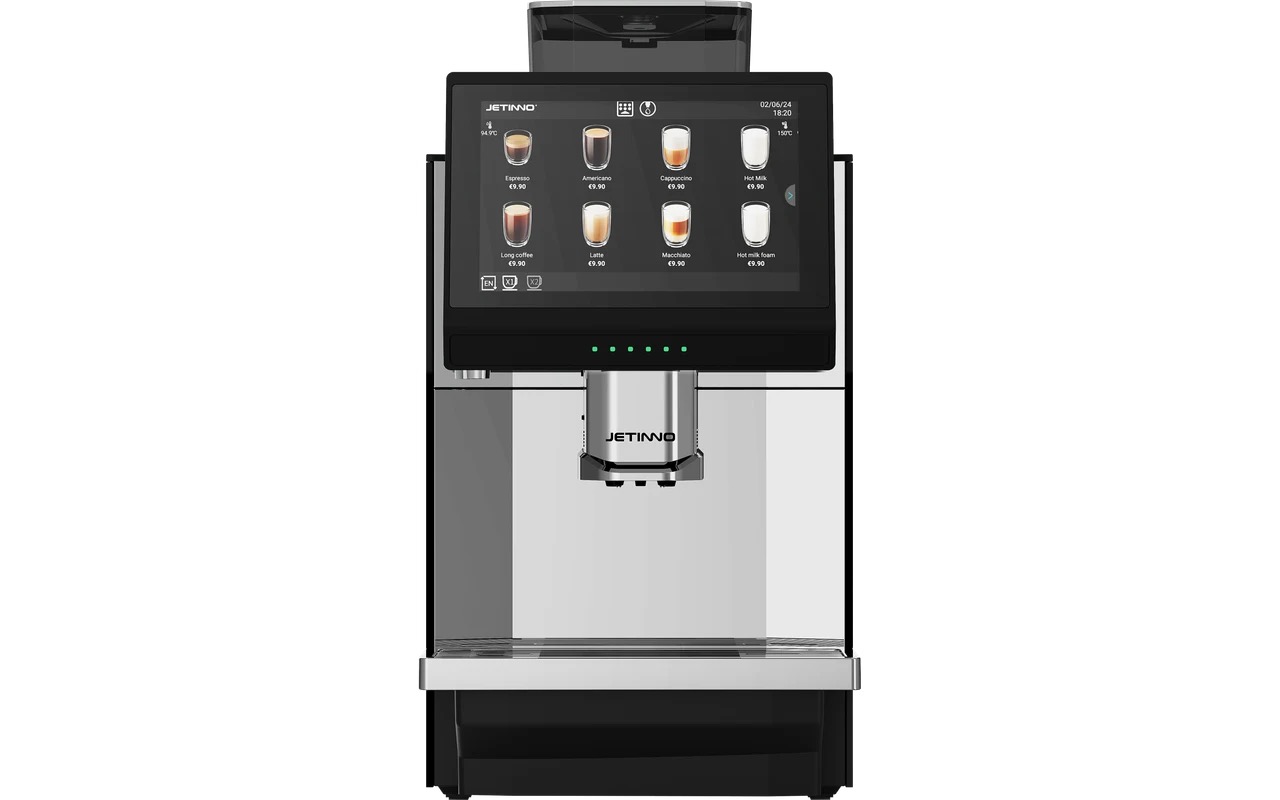
Most machines carry a menu on the screen, from espresso and americano to cappuccino, latte and flat white, with a hot water tap for tea. Two things are worth checking rather than assuming, because they are not on every machine. Hot chocolate needs a powder canister, and decaf needs a second bean hopper. If your team or your customers will expect either, make sure the machine you choose actually offers it. Decide the menu you want to serve first, then find the machine that serves it.
The controls are where you can see a machine's age. Buttons were the standard for years and you still find them on older models, simple to use and hard to break. Most new machines have moved to a touchscreen, which holds a bigger menu, is easier to update, and looks the part on a customer facing counter. Many touchscreen machines can also take card payment, usually as an added feature rather than something built in, if you plan to charge for the coffee. Buttons still do the job, but the touchscreen is the modern way, and it is where the range is heading.
What makes a machine commercial rather than domestic is what sits inside it: a larger grinder and boiler, a heavier brew unit, and parts an engineer can service rather than a sealed box you replace whole. A domestic machine in a busy workplace is worn out inside a year. The commercial version is built to keep going.
Step one: where it goes, and who uses it
Start with the room, not the machine. The first question is where it will sit and who will press the button, because that shapes everything after it.
There are two setups. Self service, where staff or the public help themselves, which covers most offices, hotels, gyms and waiting rooms. And staff operated, where someone behind a counter makes the drink, which is the convenience store, the cafe or the busy reception. Self service wants a machine that is simple and robust, because everyone uses it and nobody is trained. Staff operated can carry a few more options, because the same people use it all day and learn it.
Where it physically goes matters too. A bean to cup machine needs a stable counter, a power socket and, for most models, a water connection nearby. A kitchen or a back counter is straightforward. A reception desk or a customer counter takes a little more planning, especially if you want it to look the part. Knowing the spot in advance saves a lot of awkwardness on install day.
Step two: how many drinks a day
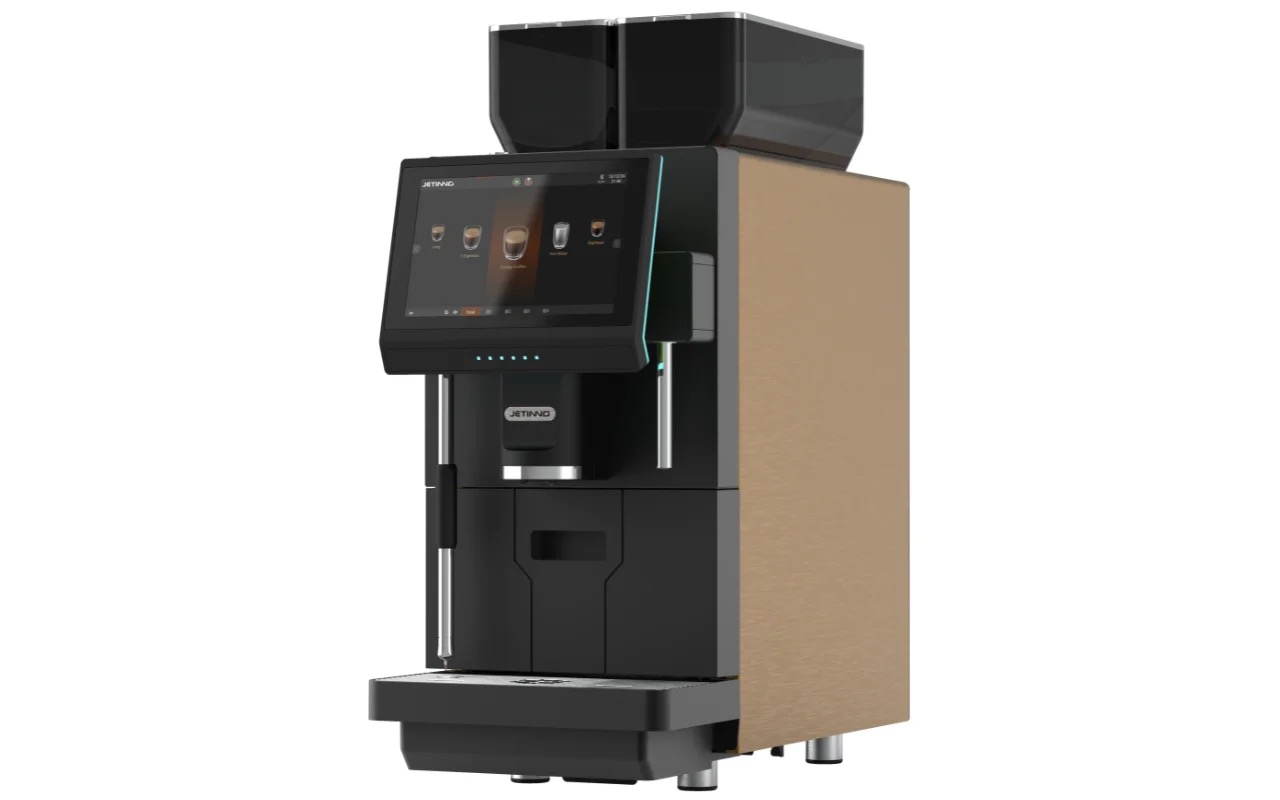
Now the numbers. A bean to cup machine makes one drink at a time, and each takes around 45 seconds from press to finished cup. That is fine for steady demand, but it is the figure that decides whether one machine can keep up when everyone wants a coffee at once.
Bean to cup machines are rated by daily drink volume, and that figure varies considerably by model. Some are built for 30 drinks a day, others for 100, others for more. As a working guide, once you are regularly exceeding 200 drinks a day you are pushing most machines harder than they were designed for. The grinder and brewer are working under sustained load, which shows up in wear and eventually in faults. If volume is heading there, it is worth a conversation before committing to a machine: you may need a larger model, a second unit, or at the scale where you are effectively running a coffee shop, a traditional espresso machine with someone operating it. The one exception is a very busy office handing coffee out free, where staying self service with a second bean to cup machine often makes more sense than putting in an espresso setup that needs someone to run it.
Volume also sets the size of machine, and this matters more than it looks. Smaller machines have smaller grinders and brewers, and if you push one past what it was built for, day after day, those parts wear out and fail early. A larger machine has the grinder, brewer and bean and waste capacity to carry the load comfortably. So size the machine to your real daily numbers, not the other way round. A quick way to estimate, if the coffee is free, is to double your headcount: an office of 40 people will get through roughly 80 drinks a day.
Step three: are you selling the coffee, or giving it away?
This one changes the whole calculation, and it is the question people most often skip. Are you giving the coffee away as a perk, or selling it to make money or cover costs?
If it is a free perk, which is most offices, the job is simple. Good coffee your team will actually drink, with the least fuss to run. Quality and reliability matter most, and you are not counting pennies per cup at a till.
If you are selling it, the machine becomes a small business of its own. Many machines can be fitted with a card payment reader, usually as an added option rather than something built in, so the machine charges for each drink. Here the milk choice carries a pricing decision with it. Fresh milk makes a premium drink people will happily pay full price for. Powdered milk costs less per cup, which lets you sell at a keener price, or subsidise it. A convenience store is a good example, where powdered milk can offer a decent coffee at a price that pulls people in, without the cost or the daily routine of fresh milk.
And if selling tips you over that 200 drink mark, go back to volume. At that point the sums usually point to a traditional espresso setup rather than pushing a single bean to cup past what it was built for.
Step four: fresh milk or powdered milk
Whichever way the selling question went, milk is the next decision, and it comes down to the drink you want against the routine you can keep.
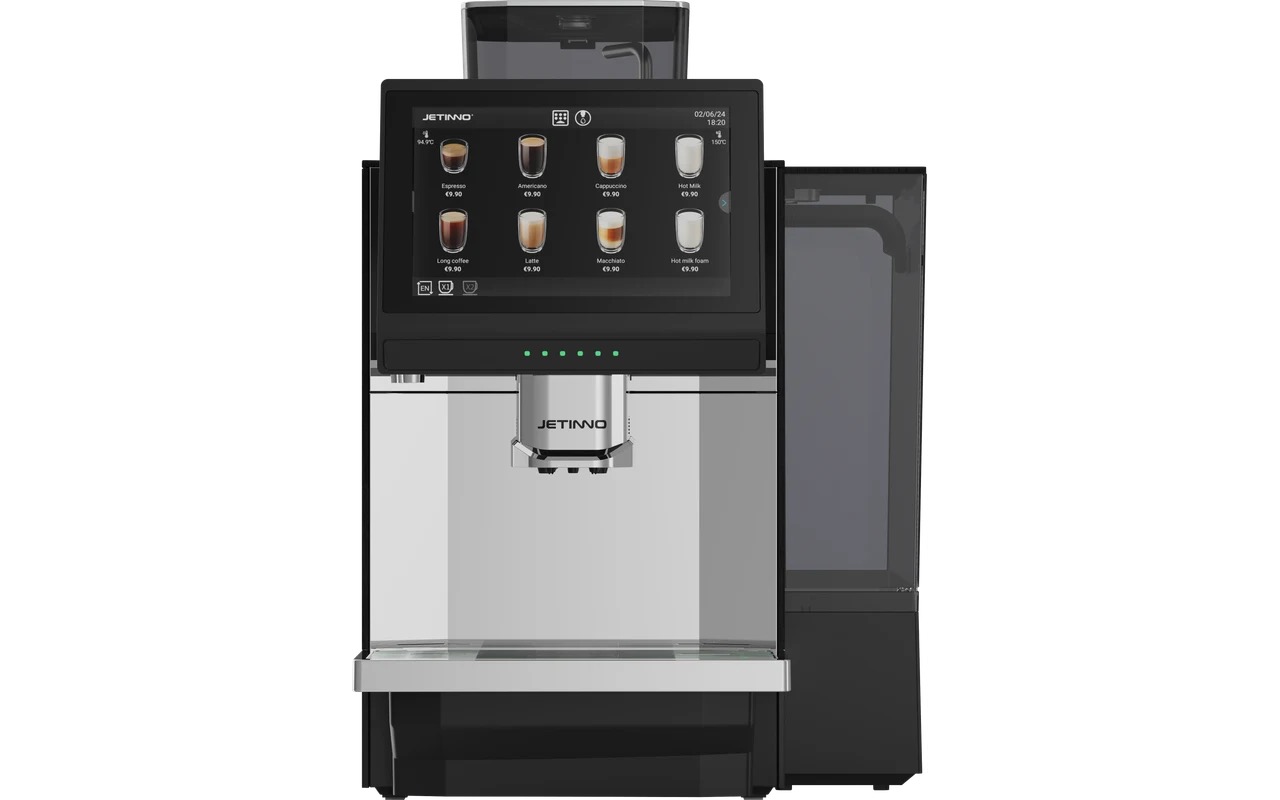
Fresh milk makes the better drink, clearly. A proper flat white or latte wants fresh milk, drawn from a fridge beside the machine and textured by the steam system. The cost is the daily clean. The machine does most of it automatically, but it still takes about 20 minutes, because a special cleaning solution has to be run through the milk lines to clear them out properly, and that cycle takes its time. It is mostly hands off, but it has to be done every single day, because milk left sitting in the lines is both a hygiene and a mechanical problem. The latest machines make it lighter still, running an intelligent clean through the day and forcing the daily cycle so it cannot be skipped, which is what our fresh milk bean to cup machines are built around. If someone will own the routine, fresh milk is worth it.
Powdered milk keeps it simple. The machine mixes a milk powder with hot water from a canister, so there is no fridge and no milk line to flush. The daily clean is closer to 2 minutes than 20. The drink is a step behind fresh on a flat white, but for a self service office, a high traffic site, or a shop selling at a keen price, that simplicity is often the smarter choice. Neither is wrong. The honest test is which routine your team will actually keep up.
Space, plumbing and a last menu check
Most commercial bean to cup machines plumb into the mains through a water filter, so they top up their own water and nobody is filling a tank ten times a day. That means a water supply, and ideally a drain, within reach of where the machine sits. Some smaller machines run from a fillable tank instead, which suits a spot where plumbing is awkward, at the cost of someone refilling it.
The filter is not optional, and not only because most of the UK sits in a hard water area where limescale is what kills a boiler. Run a machine without one and you void the warranty. At Split Bean the filter, the installation and the setup are all included in the price, so it is sorted from day one rather than something you have to arrange or remember.
Then give the menu one last look against the machine you have settled on. Make sure it pours the drinks your people expect, hot chocolate and decaf included if you need them, before you commit. The other half of a good cup is the beans, because a bean to cup machine is only ever as good as what goes in the hopper, so the coffee you choose matters as much as the machine.
What it costs, and how to pay for it
Supplied and installed, commercial bean to cup machines run anywhere from around £2,500 to well past £10,000. In practice, with how much the mid range has improved, the sweet spot for most businesses sits between £3,000 and £6,000. That buys a genuinely good machine without paying for output or features you will never use, and the dearest machine is rarely the right one.
Whatever you spend, the figure that decides the real cost is cleaning. Cleaned daily and serviced once a year, a commercial bean to cup machine comfortably reaches its 5 years and well beyond. Neglected, it will not see 3, and 8 out of 10 faults we see come down to cleaning rather than a broken part. If no one in your business will own that daily routine, an instant machine asks far less of you.
You can buy outright or spread the cost with a lease, whichever suits your cash flow and how long you plan to keep the machine. If you have worked through the questions above and are still not sure which one fits, that is exactly the conversation worth having before you spend anything. We would rather point you to the machine that fits your business than the one with the longest spec sheet.
Common questions
What is the best commercial bean to cup coffee machine?
How much does a commercial bean to cup coffee machine cost?
How many cups a day can a bean to cup machine handle?
Can you sell coffee from a bean to cup machine?
Do commercial bean to cup machines use fresh milk or powdered milk?
How often should a commercial bean to cup machine be cleaned?
Family run since 2009. Nearly two decades supplying commercial coffee machines, our own range of coffee and ongoing technical service to businesses across the UK.
Thinking about a commercial coffee machine for your business?
We can talk through what fits before you spend anything. Family run since 2009. Free written quote, same day reply.