
Office Coffee Vending Machines: A Practical Guide
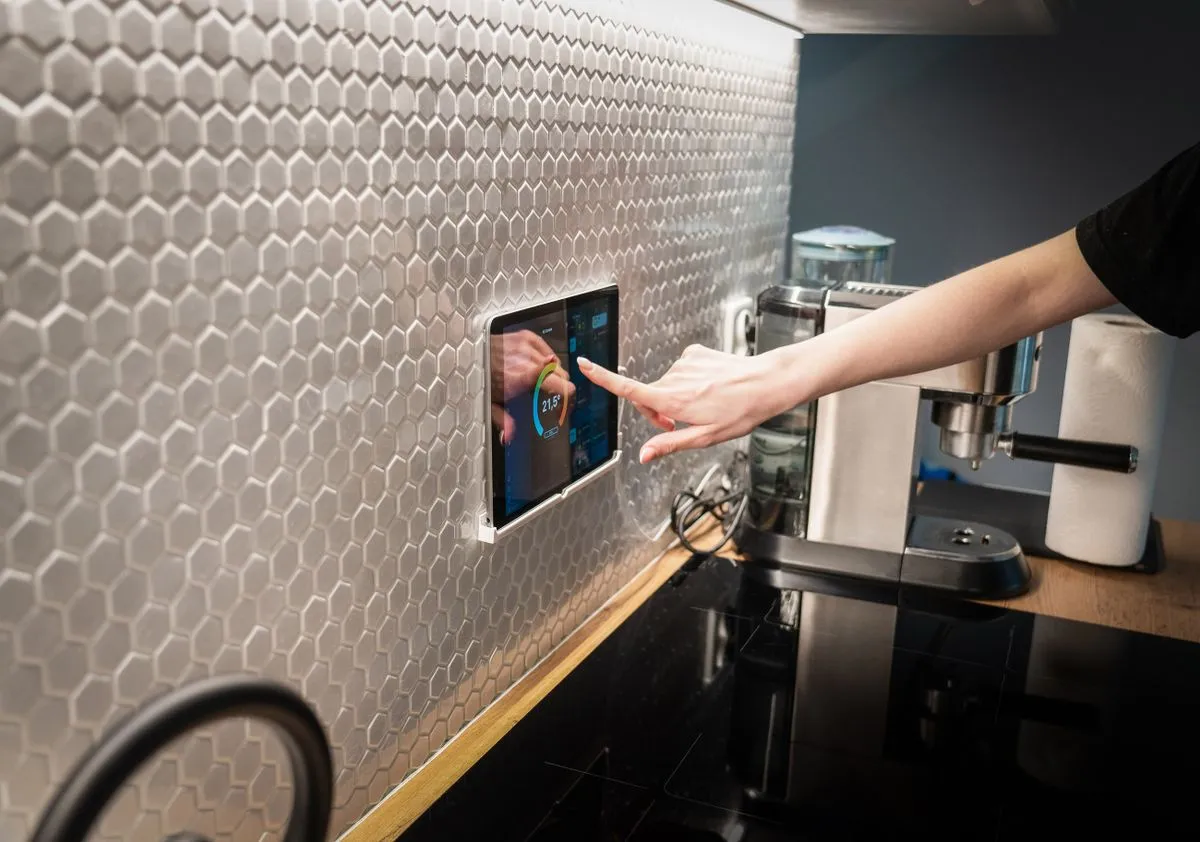
Photo by Jakub Zerdzicki on Pexels
Say office coffee vending machine and most people picture the same thing: a tall box in the corner, a slot for coins, and a thin brown coffee in a flimsy cup. That machine has had its day. What goes into offices now is a different animal, and it is worth knowing what you are actually buying.
A modern office coffee vending machine is, in plain terms, a self-service coffee machine. The same bean to cup and instant machines a cafe or a busy office would use, sat on a counter, making a proper drink at the press of a button. The word vending has stuck around. The watery coffee and the handful of change have not.
This guide covers what an office coffee vending machine means today, the types you will come across, whether your staff should pay for a cup, and what it costs. If you would rather just see the machines, our office coffee machines are in one place.
What an office coffee vending machine means now
The old vending machine was built around the transaction. You put money in, it gave you a drink, and the coffee was an afterthought to the mechanism. The machines going into offices today are built the other way round, around the drink, with the self service part being the easy bit.
In practice that means a bean to cup or an instant machine with a touchscreen, sat where the kettle used to be. Anyone walks up, picks a cappuccino or an americano, and the machine grinds, brews and pours it in under a minute. It is the same kit you would find behind a counter, just left out for everyone to use. The Automatic Vending Association, the UK trade body for the industry, now covers exactly these machines rather than the coin operated boxes the name brings to mind.
So if vending makes you think of bad coffee, put that picture aside. Workplace coffee has moved on, and the British Coffee Association notes coffee is one of the most popular drinks in the country, which is exactly why offices now treat the machine as something worth getting right. The thing you are choosing is a good coffee machine that runs itself. The only real questions are which type, and whether anyone pays for a cup.
The types you will come across
Three kinds of machine get sold as office coffee vending machines, and they make very different coffee.
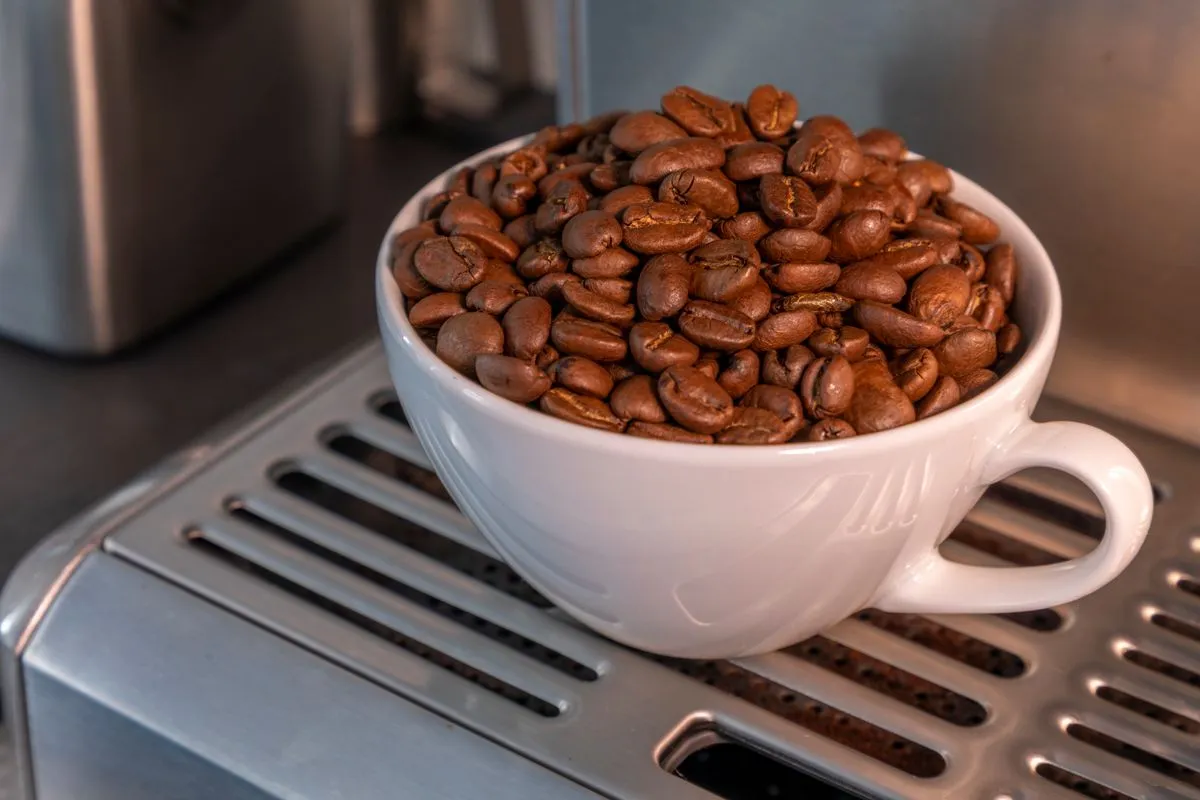
A bean to cup machine grinds fresh beans for every cup and pours cafe standard espresso, americano, cappuccino, latte and flat white. You can have it with fresh milk for the closest thing to a barista pour, or with milk powder for less daily cleaning, and most models add a decaf hopper and a hot chocolate option so nobody is left out. One machine comfortably handles up to around 200 drinks a day, and it asks for a few minutes of cleaning each morning in return. It is the one to choose when the coffee itself is the point.
An instant machine mixes a quality freeze dried coffee with hot water, served hot and consistent in seconds. Think instant coffee, the good kind. It typically holds 3 or 4 canisters covering coffee, a cappuccino topping and chocolate, with the fourth for decaf, and it pours hot water for tea as well, so it covers the whole office from one box. It is the simplest to run, the lowest cost, and there is very little on it that can go wrong.
Pod machines, the capsule type, sit at the smaller end. They suit a meeting room or a handful of people, but the cost per cup climbs fast with the pods, the used capsules pile up, and they are not built for a floor of people arriving together at the morning rush. Past a small team, a bean to cup or instant machine works out cheaper per cup and copes far better.
Bigger sites: drinks towers and to-go stations
For a larger floor, a canteen, or a site where you want a proper grab and go setup, the counter machine gives way to a full drinks tower. These are the floor standing stations you see in bigger workplaces and travel hubs: a tall unit with the machine, the cups, the lids and the milk all in one place, built for a steady stream of people serving themselves through the day. They hold more, pour faster, and are made to be the focal point of a break area rather than sit on a worktop.
We supply these on request rather than off a standard list, because the right tower depends on the space, the footfall, and whether drinks are free, subsidised or charged. If that is the scale you are working at, tell us about the area and the numbers and we will put the right setup together.

Free, subsidised or charged: the three ways offices run it
These machines can take payment, and how you set that up is worth deciding early, because it shapes the machine and whether you need a card reader at all. One thing to clear up first: modern machines take card, not coins. A contactless reader is added as an option, so there is no coin box to empty and nobody hunting for change.
There are three ways offices usually run it:
- Free vend. Staff help themselves at no charge. The machine is a straightforward perk and there is no payment hardware to fit.
- Subsidised. Staff pay a small amount per cup, a fraction of the true cost, with the business covering the rest. This is where a lot of offices land, because a subsidised price covers a chunk of the running cost and cuts down waste, while staying cheap enough that nobody minds. It makes the spend far easier to justify than covering every cup, without turning the machine into a profit line.
- Full price. Staff or the public pay the going rate per cup. This is the setup for high footfall and public facing places: a busy reception, a gym, a hospital, a factory with hundreds of staff and visitors passing through.
Does it pay for itself?
If the plan is to make money from the machine, be realistic about the maths. Sell 10 coffees a day at £3 and that is £900 a month, but those numbers assume real footfall, the right spot, and people who want to buy coffee where they are. A machine does not generate revenue by sitting in a corner.
Charging full price stacks up where there is genuine passing trade. In a typical office it rarely turns a profit, which is why most settle on free vend or a subsidised price, where the aim is a happy floor and people staying on site rather than a return on the machine. Decide which of those you are buying before you sign anything, because it changes the sums.
What an office coffee vending machine costs
For a standard countertop setup we can give you a price range up front. A machine that suits an office, plumbed in and built for steady use, sits toward the higher end rather than the entry level. Instant machines run from around £1,750 to £3,500 supplied and installed, and bean to cup from around £2,500, with most offices landing between £3,000 and £6,000. A contactless card reader, if you want one, is an added extra on top.
Larger setups work differently. The drinks towers and cabinets for bigger floors and canteens are made to order to suit the space, so those come as a quote rather than an off the shelf price. Tell us about the site and the numbers and we will put a figure to it.
Either way, you can buy the machine outright or spread the cost with a lease over a fixed term, which keeps the money off your cashflow without a large payment up front. Our guide to what a commercial coffee machine costs walks through the wider picture.
Which one is right for your office
Start with how many people use it and how concentrated the rush is, not just the headcount. A team of 50 who drift in across the morning ask less of a machine than 20 who all want a coffee at 9am.
A small office is well served by a compact instant machine or a countertop bean to cup. A busier floor wants the throughput to clear the morning without a queue, and a larger site is where a drinks tower earns its place. Whichever you pick, it runs as self service, so people help themselves and nobody stands behind it.
If you are not sure which fits, that is worth a quick conversation rather than a guess. Our guide to the best coffee machine for an office is a good place to weigh it up, and we will happily talk it through against your numbers and your space.
Common questions
How much does an office coffee vending machine cost?
Do office coffee vending machines take cash or card?
Are office coffee vending machines free for staff?
What is the difference between a coffee vending machine and a bean to cup machine?
Can you claim an office coffee vending machine as a business expense?
Do office coffee vending machines need plumbing?
Family run since 2009. Nearly two decades supplying commercial coffee machines, our own range of coffee and ongoing technical service to businesses across the UK.
Thinking about a commercial coffee machine for your business?
We can talk through what fits before you spend anything. Family run since 2009. Free written quote, same day reply.